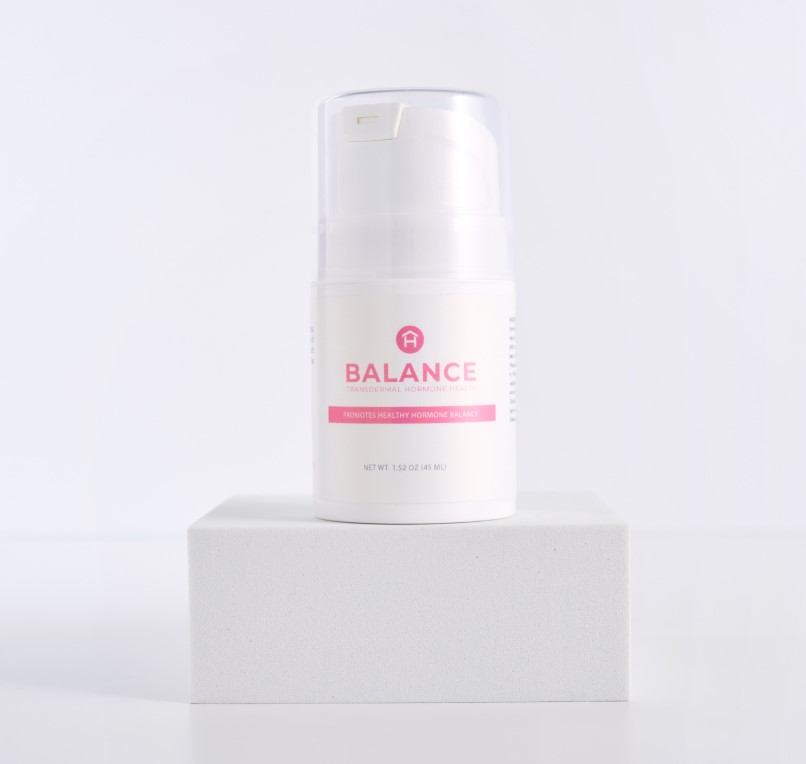
Maca has gone from a little-known Andean root to a staple of smoothie bowls and women’s wellness shelves in about twenty years. Much of that interest comes from women in their forties and fifties looking for plant-based support. If you searched maca root for women, you probably want to know what maca actually is, what the research says, how a topical product differs from a powder or capsule, and what to look for on a label. This guide covers all four and explains where BALANCE, a multi-botanical topical gel that includes maca, fits.
hormonebalancecream.com is operated by All In Enterprises, LLC, independent HealthyHome distributors. HealthyHome owns and fulfills BALANCE. We do not. We may earn a commission when you shop or join through our links. This is general education, not medical advice.
The short answer
Maca (Lepidium meyenii) is a root vegetable from the high Andes that has been eaten as food for centuries and is now sold as a powder, capsule and ingredient in blends. A handful of small studies in midlife women reported favorable results, but researchers who reviewed them concluded the evidence is limited and that larger, better-designed trials are needed. Almost all of that research used maca taken by mouth. So the honest way to see maca is as a traditional food plant that may support comfort and well-being as part of a routine, not as a replacement for anything your clinician recommends.*
What maca is
Maca is a member of the brassica (mustard) family, a relative of turnips, radishes and broccoli. It grows at very high altitude in Peru, where the root is traditionally dried, cooked into porridges and drinks, or ground into flour. Roots come in several colors, often sold as yellow, red or black maca. Traditional use focused on energy, stamina and female well-being, which is a big part of why it shows up in products for women today.
Memorial Sloan Kettering’s integrative medicine service keeps a plain-language summary of the research on maca, which is a good place to start if you want more detail.
Is maca a hormone?
No. Maca does not contain estrogen, progesterone or testosterone, and it is not usually described as a phytoestrogen the way soy or red clover are. Researchers are still working out which of its compounds are active and how. That is worth knowing because some marketing implies maca “replaces” hormones. It does not, and no botanical should be thought of as hormone therapy. Our guide to hormone cream vs HRT explains the difference in more depth.
What the research covers
Midlife comfort
A 2011 systematic review in the journal Maturitas looked for randomized, placebo-controlled trials of maca in women during the menopause transition and the years after. It found only four that qualified. All four reported favorable effects on standard symptom questionnaires, but the authors concluded that the number of trials, the number of women studied and the quality of the studies were too limited to draw firm conclusions, and that safety had not yet been established in larger studies (Lee et al., 2011).
Mood and energy
Some small studies have looked at mood, energy and general well-being with maca. Results are interesting but early, with small groups and short durations. Treat bold claims about energy or mood with healthy skepticism.
Oral vs topical
Every study above used maca powder or extract taken by mouth, usually at a gram or more a day. Very little research has looked at maca in a cream or gel. Results from oral studies cannot simply be transferred to topical products, so be wary of any jar that quotes capsule or powder research as if it proves what a cream will do.
Safety basics
- Maca has a long history as a food, and it is generally well tolerated when eaten in normal food amounts.
- Safety of concentrated supplements over the long term has not been well studied, and there is not enough information to recommend it during pregnancy or breastfeeding.
- If you take prescription medicines, have a history of a hormone-sensitive condition or have a thyroid condition, ask your clinician before starting any herbal product.
- For any topical product, do a patch test on a small area of skin before regular use.
Our guide is hormone cream safe? lists more questions worth asking before you start.
How to read a label that lists maca
- Where is maca on the list? Ingredients are listed roughly by amount. A plant named near the end may be present in small quantities.
- Single herb or blend? Maca powders are single-ingredient. Topical products, like BALANCE, usually combine it with several botanicals.
- Any added hormones? A botanical product should not list progesterone, estradiol or other hormones unless it says so clearly. See hormone cream without progesterone.
- Claims. Botanical products are not allowed to make disease claims. “Supports” or “may help” is normal. Dramatic promises are a red flag.
Where BALANCE fits
BALANCE is HealthyHome’s plant-based topical gel, applied to clean skin, designed to support hormonal balance during menopause and the years leading up to it.* It is not hormone replacement therapy, and its ingredient list includes no progesterone, estrogen or testosterone. Maca is one of several botanicals in the blend, alongside wild yam, tongkat ali, flaxseed oil, ashwagandha, black cohosh, chasteberry, soy isoflavones, red clover, blue tansy, clary sage and rosemary, in HealthyHome’s NanoShield base of jojoba oil, squalane and coconut oil. BALANCE contains soy. The full list is on our ingredients page, and our sister guides cover black cohosh cream, chasteberry cream and red clover cream.
In other words, BALANCE is not a maca supplement, and you can still eat maca as a food if you enjoy it. BALANCE is a multi-botanical topical routine, and the honest expectation is the same as for any botanical: use it consistently for several weeks, alongside sleep, movement and good nutrition, and check in with how you feel. Our how to apply hormone cream guide covers the daily routine, and hormone balance after 40 covers the bigger lifestyle picture.
Maca root for women FAQ
What is maca root?
Maca is a root vegetable from the high Andes in the mustard family. It has been eaten as food for centuries and is now sold as a powder, capsule and ingredient in blends.
Does maca contain hormones?
No. Maca does not contain estrogen, progesterone or testosterone, and it is not hormone therapy.
What does the research say about maca for women?
A 2011 systematic review found four small trials in midlife women that reported favorable results, but concluded the evidence was too limited for firm conclusions and that larger studies were needed.
Is maca safe?
Maca is generally well tolerated as a food. Long-term safety of concentrated supplements is not well studied, and there is not enough information on use during pregnancy or breastfeeding, so ask your clinician first.
Is maca in BALANCE?
Yes. Maca is one of several botanicals in BALANCE, alongside wild yam, black cohosh, chasteberry, red clover, soy isoflavones and others. BALANCE contains soy.
Shop or Join
HealthyHome handles payment, shipping and fulfillment. Learn more about BALANCE on the hormonebalancecream.com home page.
Order BALANCE Now · Join & Get Member Pricing
hormonebalancecream.com is operated by All In Enterprises, LLC, independent HealthyHome distributors. BALANCE is a registered trademark of HealthyHome, LLC. Ingredients summarize HealthyHome’s published BALANCE product information; always read the label on your product. This article is for general education and is not medical advice. *These statements have not been evaluated by the Food and Drug Administration. This product is not intended to diagnose, treat, cure, or prevent any disease.