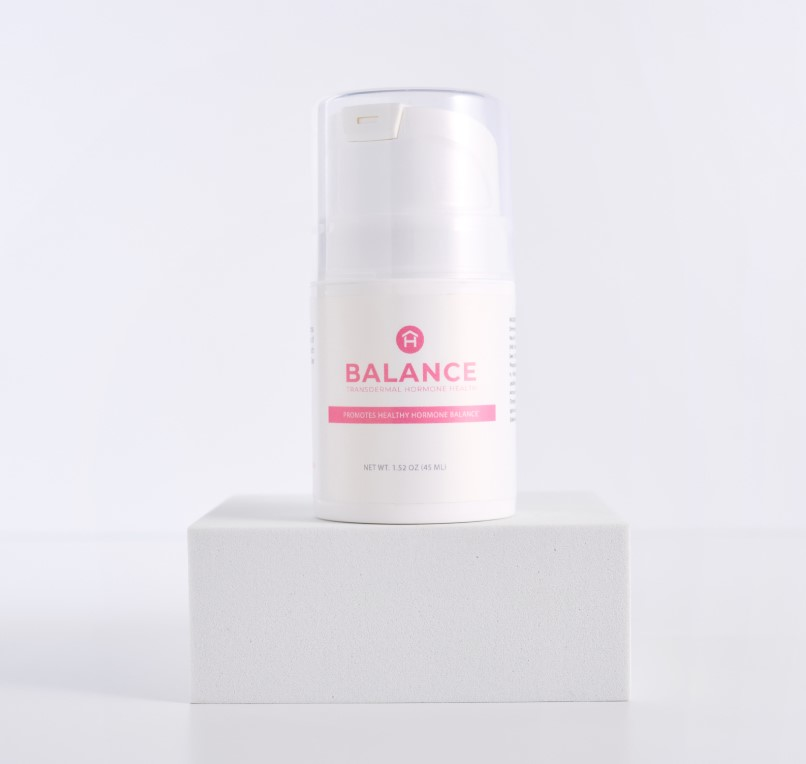
If you have been reading menopause comfort labels, black cohosh is one of the names you see most. It shows up in capsules, teas, tinctures and, more and more, in creams. People searching black cohosh cream usually want to know three things: what the plant is, whether the research applies to a cream, and whether it is safe to use. This guide answers all three honestly, and explains where black cohosh sits inside BALANCE (Balance Transdermal Hormone Health), a multi-botanical cream rather than a single-herb product.
hormonebalancecream.com is operated by All In Enterprises, LLC, independent HealthyHome distributors. HealthyHome owns and fulfills BALANCE. We do not. We may earn a commission when you shop or join through our links. This is general education, not medical advice.
What black cohosh is
Black cohosh (Actaea racemosa, formerly Cimicifuga racemosa) is a flowering plant in the buttercup family that grows in eastern North America. The part used in herbal products is the root and rhizome, the underground stem. Native Americans used it for a range of purposes, and it has been used in German herbal practice since the late 1800s. Today it is promoted mostly for menopause comfort. The NIH’s National Center for Complementary and Integrative Health (NCCIH) has a short, readable black cohosh fact sheet that covers the background.
One name trap: black cohosh and blue cohosh are different plants. NCCIH notes that blue cohosh has its own, more serious safety concerns. Always check the Latin name on a label.
What the research says, and what form it studied
Most black cohosh research has looked at extracts taken by mouth, not creams. According to NCCIH, a 2023 review of 22 studies of products containing black cohosh, alone or combined with other herbs, found they were potentially beneficial for overall menopause symptoms, with improvements in hot flashes but not in anxiety or depressive symptoms. NCCIH also says there is not enough reliable data on other uses. The NIH Office of Dietary Supplements gives a more technical summary in its black cohosh fact sheet for health professionals, including how much study results vary from product to product.
For a cream, the honest takeaway is this: there is little published research on black cohosh applied to the skin. Oral study results do not automatically carry over to a topical product, because the amount, the extract and the way it reaches the body are all different. A black cohosh cream is best thought of as a botanical wellness product, not as a proven version of the oral studies.
Black cohosh safety: what to know before you use it
NCCIH describes black cohosh as generally well tolerated in studies lasting up to a year, but it flags several cautions worth taking seriously:
- Liver concerns. Rare cases of liver damage, some serious, have been reported in people taking products labeled as black cohosh. It is uncertain whether the herb caused them, and some products have turned out to contain the wrong plant. Anyone who notices signs such as dark urine or unusual fatigue should contact a health care provider.
- Hormone-sensitive conditions. It is uncertain whether black cohosh is safe for people who have had hormone-sensitive conditions such as breast or uterine cancer.
- Pregnancy and breastfeeding. It may not be safe during pregnancy or while breastfeeding.
- Medications. If you take any medicine, talk with your clinician first, since some herbs and medicines interact.
Those notes come from oral use. A cream that contains black cohosh among many ingredients is a different exposure, but the same people should still ask a clinician before starting. Our is hormone cream safe guide covers the broader safety questions for any topical.
How to read a black cohosh cream label
- Find the Latin name. Actaea racemosa or Cimicifuga racemosa means black cohosh. If the label just says “cohosh,” ask which one.
- Check whether it is the only active. Some creams are single-herb. Others, like BALANCE, combine many botanicals. That changes what you can expect from any one ingredient.
- Look for a hormone. If the label lists progesterone or estrogen, it is a different kind of product and belongs in a clinician conversation. Our hormone cream vs HRT page explains the categories.
- Read the claims. “Supports comfort” is a wellness claim. “Cures,” “replaces HRT” or “fixes hormones” is a reason to walk away.
- Patch test. Plant ingredients can irritate sensitive skin. Try a small amount on the inner forearm first and wait a day.
Where black cohosh fits in BALANCE
BALANCE is HealthyHome’s plant-based transdermal cream for everyday hormone-season comfort support. Black cohosh is one ingredient in a blend that also includes wild yam, maca, red clover, chasteberry (vitex), ashwagandha, flaxseed and other botanicals, carried in HealthyHome’s NanoShield delivery base. You can see the full list on our ingredients page, and our guide to plant-based ingredients for hormone balance explains what the research says about each one.
That matters for expectations. BALANCE is not a black cohosh concentrate, and it is not hormone therapy. It is a botanical wellness routine you apply to clean skin, typically on the inner arms or other thin-skinned areas. Our how to apply hormone cream guide covers the practical steps. Give any new routine a few weeks of consistent use, keep simple notes on sleep and comfort, and talk with your clinician if symptoms disrupt daily life.
If you are already on prescription hormone therapy or taking medication, ask the clinician who manages it before adding BALANCE or any other cream, and bring the label to the visit.
Black cohosh cream: FAQ
Does black cohosh cream work for menopause?
Most research on black cohosh studied oral extracts, with mixed but sometimes encouraging results for hot flashes. There is little published research on black cohosh applied to the skin, so a cream should be treated as a wellness product rather than a proven remedy.
Is black cohosh a hormone?
No. Black cohosh is a plant. It is not estrogen or progesterone, and a cream that contains it is not hormone therapy.
Is black cohosh safe?
NCCIH says it is generally well tolerated in studies up to a year, but rare liver problems have been reported with products labeled as black cohosh. People who are pregnant or breastfeeding, have had hormone-sensitive conditions or take medication should ask a clinician first.
Does BALANCE contain black cohosh?
Yes. Black cohosh is one of several botanicals in BALANCE, alongside ingredients such as wild yam, maca, red clover and chasteberry. Check the current label for the full list.
Is black cohosh the same as blue cohosh?
No. They are different plants, and NCCIH notes that blue cohosh has more serious safety concerns. Check the Latin name on any label.
Shop or Join
HealthyHome handles payment, shipping and fulfillment.
Order BALANCE Now · Join & Get Member Pricing
hormonebalancecream.com is operated by All In Enterprises, LLC, independent HealthyHome distributors. BALANCE is a registered trademark of HealthyHome, LLC. This article is for general education and is not medical advice. These statements have not been evaluated by the Food and Drug Administration. This product is not intended to diagnose, treat, cure, or prevent any disease.