Skin that flushes, stings or flares with new products has good reason to be cautious about anything labeled hormone cream for sensitive skin. The phrase is not a regulated claim, so it tells you very little by itself. What helps is a repeatable routine: read the label, patch test, and introduce one product at a time. This guide walks through that routine and shows where BALANCE fits.
hormonebalancecream.com is operated by All In Enterprises, LLC, independent HealthyHome distributors. HealthyHome owns and fulfills BALANCE. We do not. We may earn a commission when you shop or join through our links. This is general education, not medical advice.
“For sensitive skin” is a marketing phrase
The FDA notes that terms like “hypoallergenic,” “fragrance-free” and “for sensitive skin” have no federal standard or definition, so checking for those words is not enough. The FDA’s advice is to know what you react to and read the ingredient panel carefully (FDA: Allergens in Cosmetics). That applies to a creamy lotion, a gel or any botanical topical.
The usual suspects on a botanical label
- Essential oils and fragrance. Pleasant to smell, and a common trigger for reactive skin. “Fragrance” can also hide individual ingredients.
- Plant extracts. Any botanical can bother someone. Having a long list means more chances to find the one that does not agree with you.
- Nut, soy and coconut derivatives. If you have a known allergy, these matter even in a topical.
- Preservatives and thickeners. Less obvious, but worth noticing if past products stung.
Our hormone cream ingredients guide shows how to read a label step by step, and is hormone cream safe covers the broader safety questions.
A simple patch test routine
- Wash and dry a small spot. The inner forearm or inside of the elbow works well.
- Apply a small amount. About the size of a pea is plenty; do not cover it with a bandage unless the label says to.
- Wait and watch for 24 to 48 hours. Look for redness, itching, bumps or burning. Do not wash the spot with a strong cleanser meanwhile.
- If the spot is calm, start small. Use a thin layer in the intended area for the first few days.
- Add one new product at a time. If you start a new serum or soap the same week, you will not know which one caused a flare.
A patch test lowers the odds of a surprise; it does not rule out a later reaction. If a rash appears at any point, stop using the product. Talk to your clinician if it does not clear up quickly.
Where BALANCE fits
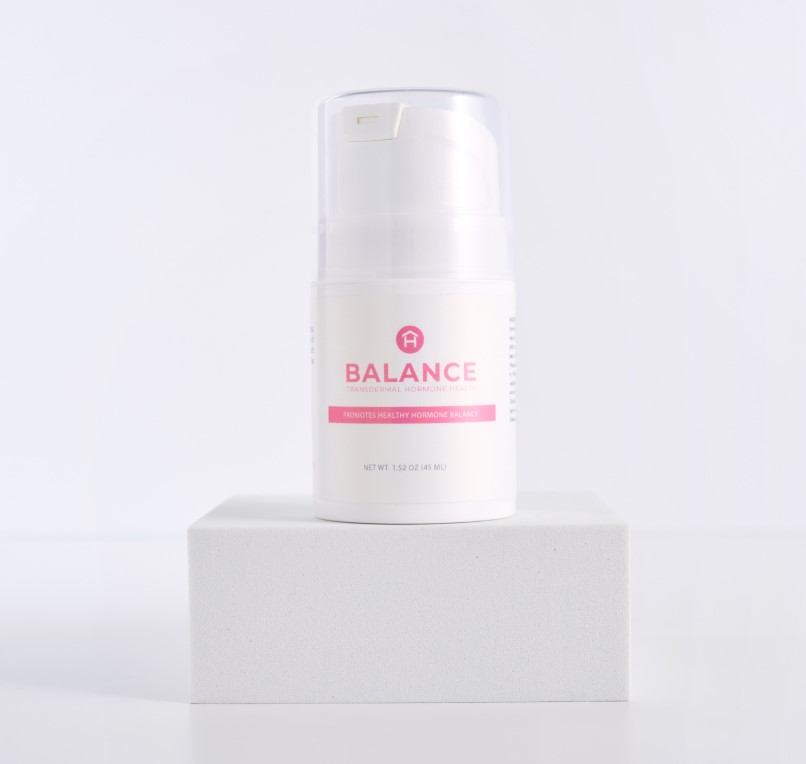
BALANCE is HealthyHome’s plant-based topical gel, designed to support hormonal balance during perimenopause and menopause.* Shoppers still type “hormone cream,” which is why this hub uses that language. Here is what to know before you patch test it:
- Hormones: none listed. It is not hormone replacement therapy.
- Botanicals: wild yam, maca, tongkat ali, ashwagandha, red clover, black cohosh, chasteberry, soy isoflavones and flaxseed oil.
- Essential oils: blue tansy and clary sage, plus rosemary extract.
- Base: jojoba oil, squalane and high-MCT coconut oil, with raw honey.
- Allergen notes: contains soy and coconut, and includes essential oils.
If you are allergic to soy or coconut, or your skin reacts to essential oils, talk with your clinician before trying it. The full list is on the BALANCE ingredients page, and the delivery system is explained in NanoShield hormone cream. When you are ready, how to apply hormone cream covers technique.
When to skip it or ask first
Ask your clinician before using any topical if you take prescription hormones, are pregnant or nursing, have a hormone-sensitive condition, or have active eczema or dermatitis at the application site. No over-the-counter botanical gel is a cure for any condition or a substitute for care your clinician prescribes.
Hormone cream for sensitive skin FAQ
Can sensitive skin use a botanical hormone gel?
Many people with sensitive skin use botanical topicals, but any plant extract or essential oil can irritate reactive skin. Read the full ingredient list, patch test first, and stop if you notice redness, itching or a rash.
How long should I patch test a new topical?
A common approach is to apply a small amount to the inner forearm or elbow and watch the spot for 24 to 48 hours before using it more widely. Skin can also react later, so keep watching during the first week.
What allergens does BALANCE list?
BALANCE contains soy and coconut and includes essential oils. If you are allergic to either or your skin reacts to essential oils, ask your clinician before using it.
Does BALANCE contain hormones?
No. BALANCE lists no hormones. It is a plant-based topical, not hormone replacement therapy.
When should I stop using a topical and call a clinician?
Stop use if you develop a rash, hives, swelling or burning. Seek urgent care for facial swelling or trouble breathing, and tell your clinician which product you used.
Shop or Join
HealthyHome handles payment, shipping and fulfillment. Learn more about BALANCE on the hormonebalancecream.com home page.
Order BALANCE Now · Join & Get Member Pricing
hormonebalancecream.com is operated by All In Enterprises, LLC, independent HealthyHome distributors. BALANCE is a registered trademark of HealthyHome, LLC. This article is for general education and is not medical advice. *These statements have not been evaluated by the Food and Drug Administration. This product is not intended to diagnose, treat, cure, or prevent any disease.