Your body doesn’t flip a switch at 40 — but it does start rewriting some of its rules. Cycles that ran like clockwork for two decades begin improvising. Sleep gets lighter. The 3 p.m. energy dip arrives earlier and hits harder. If that sounds familiar, you’re not imagining it, and nothing is wrong with you. Hormone balance after 40 simply looks different than it did at 30, because the hormones themselves are behaving differently. Understanding what’s actually shifting — and what you can realistically do about it — takes the mystery, and a lot of the frustration, out of this decade. Here’s a clear look at the changes, followed by a practical, natural playbook you can start this week.
What Actually Changes in Your Body After 40
The transition years leading up to menopause are called perimenopause, and they start earlier than most women expect. According to the federal Office on Women’s Health, perimenopause often begins in a woman’s mid-40s and lasts about four years on average, though for some women it runs considerably longer. During that window, three shifts drive most of what you feel.
Progesterone usually tapers first
Ovulation becomes less consistent through the 40s, and because your ovaries produce most of their progesterone in the days after ovulation, less consistent ovulation means less consistent progesterone. This is often the earliest shift — and a sneaky one. Progesterone has a naturally calming quality; it interacts with the same GABA system in the brain that many sleep aids target. So when it dips, the first things many women notice don’t feel “hormonal” at all: lighter sleep, waking at 3 a.m., a shorter fuse in the week before a period.
Estrogen swings before it settles
The popular picture of estrogen gliding gently downward after 40 is mostly wrong. Through the perimenopausal years, estrogen behaves more like a rollercoaster than a ramp — spiking above your 30s levels one month, dropping sharply the next. Those swings are what jostle the hypothalamus, the brain region that runs your internal thermostat, which is why sudden waves of heat can arrive out of nowhere. If overnight heat is your biggest frustration, we’ve put together a dedicated guide to natural relief for night sweats.
Cortisol and a changing metabolism join in
Your stress hormone doesn’t operate in a separate lane. When cortisol runs high — from thin sleep, skipped meals, constant hurry — it pushes blood sugar around and makes deep rest harder to reach, which magnifies how every other hormonal shift feels. And the relationship runs both ways: as estrogen fluctuates, many women find their stress response feels sharper than it used to.
Meanwhile, body composition is quietly changing. Adults lose roughly 3 to 8 percent of their muscle mass per decade after 30 unless they actively work to keep it — and muscle is one of your biggest tools for steady blood sugar and steady energy. This is a major reason routines that worked effortlessly at 32 can feel useless at 44. The terrain changed, not your discipline.
One note before the playbook: this article is about the underlying shifts and what to do about them. If you want a symptom-by-symptom rundown, our guide to the 12 signs of perimenopause covers those in depth.
A Natural Playbook for Hormone Balance After 40
None of what follows is exotic. That’s the point — the levers that genuinely support your body through this transition are ordinary, repeatable, and mostly free. In this decade, consistency beats intensity.
1. Eat for steady blood sugar first
Blood sugar swings and hormone swings amplify each other, so steadiness at the plate is the foundation. Aim for:
- 25–30 grams of protein at each meal — two eggs with Greek yogurt, a palm-sized salmon fillet, a bowl of lentils with tofu. Protein steadies energy and gives your body the raw material to hold onto muscle.
- 25+ grams of fiber a day from oats, beans, raspberries, chia, and vegetables. Fiber slows glucose spikes and feeds the gut bacteria involved in processing estrogen.
- 1–2 tablespoons of ground flaxseed daily — flax is the richest common food source of lignans, plant compounds many women include during the transition years. Stir it into oatmeal or yogurt.
- Regular soy foods if you enjoy them — edamame, tempeh, or tofu a few times a week.
- An honest look at alcohol — even one evening drink fragments sleep and can intensify overnight heat for many women.
For a deeper dive into food, stress, and learning to read your body’s signals, see our guide to natural approaches to hormone balance.
2. Lift something heavy, twice a week
Strength training may be the single highest-leverage habit after 40. Two or three sessions a week of basic compound movements — squats, rows, presses, deadlifts, or their dumbbell versions — helps you keep the muscle that supports metabolism and bone density through the estrogen transition. You don’t need an hour; 30 focused minutes counts. Between sessions, walk: a 10-minute walk after meals smooths the post-meal glucose rise, and a daily total of 7,000–8,000 steps is a realistic target. One caution — piling high-intensity cardio on top of poor sleep tends to raise cortisol rather than lower it. This is a season for training that builds you up, not training that empties the tank.
3. Guard sleep like a standing appointment
Sleep is when your body does its hormonal housekeeping, and it’s usually the first thing this transition disturbs — so it deserves structure. Keep a consistent wake time, even on weekends, and protect a genuine 7–9 hour window. Cool the room: the Sleep Foundation puts the ideal bedroom temperature around 65°F, and cooler matters even more when overnight heat is in play — breathable cotton or bamboo bedding helps too. Dim the lights an hour before bed, keep caffeine before noon, and if you drink alcohol, finish at least three hours before sleep.
4. Shrink the stress load you can control
You can’t delete stress, but you can stop stacking it. Three concrete practices: get 10 minutes of outdoor daylight within an hour of waking, which anchors your daily cortisol rhythm; use slow, extended-exhale breathing — in for four counts, out for six to eight — for five minutes when tension spikes; and build real white space into your calendar, because a schedule with zero margin is itself a stressor. Swapping one weekly high-intensity workout for yoga or a long walk counts as stress work, too.
Where Plant-Based Transdermal Support Fits
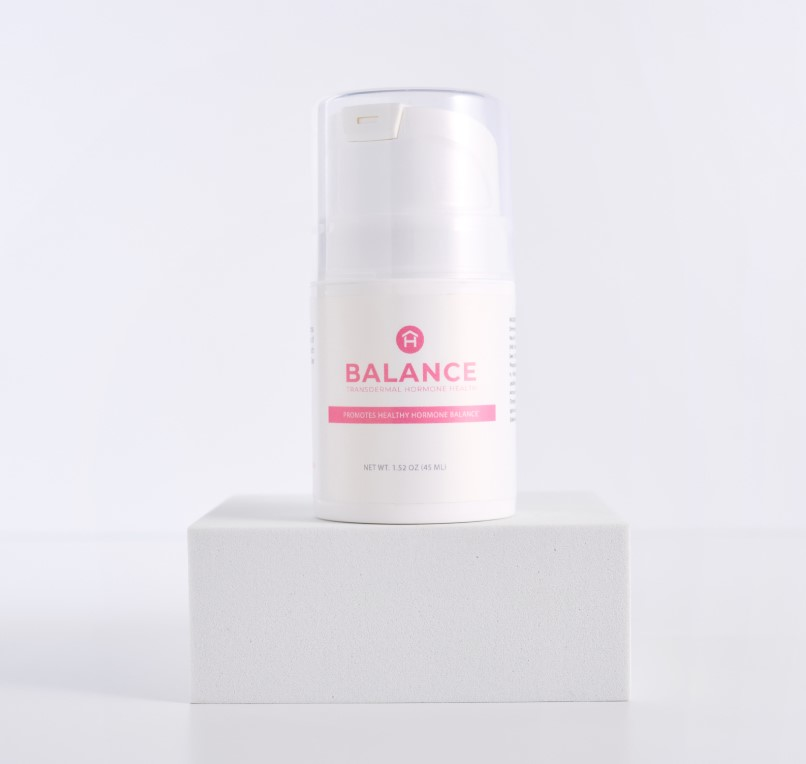
Once the foundations are in motion, some women like to add topical botanical support — and that’s exactly where BALANCE by HealthyHome is designed to sit: alongside good habits, never instead of them. BALANCE is a plant-based transdermal cream, meaning it’s applied to thin-skinned areas like the inner wrists or inner arms and absorbed through the skin rather than swallowed.
The formula is built around botanicals with long histories in women’s wellness — most notably wild yam, used traditionally for generations and containing diosgenin, a plant compound studied for its role in comfort during hormonal transitions. A point of honesty you won’t hear from every brand: your body cannot convert diosgenin into progesterone — that conversion only happens in a laboratory — so we don’t frame BALANCE as hormone replacement. It’s designed to help ease the discomforts associated with hormonal changes as one part of a broader routine. You can read the full ingredient list, dig into the research in our white paper, or explore how the botanicals work together in our guide to plant-based ingredients for hormone balance.
The Bottom Line
Hormone balance after 40 isn’t about recreating your 30s — it’s about supporting the body you have now, which is responding to genuinely new inputs. Protein and fiber at every meal, two strength sessions a week, a cool dark bedroom, real margin in your schedule, and thoughtful plant-based support where it helps: none of these is dramatic on its own, but stacked together and repeated for months, they change how this decade feels. Start with one. Add the next when the first feels automatic.
This article is for informational purposes only and is not medical advice. Talk with your healthcare provider about your symptoms and before starting any new supplement or topical product — especially if you are pregnant, nursing, or taking medication.