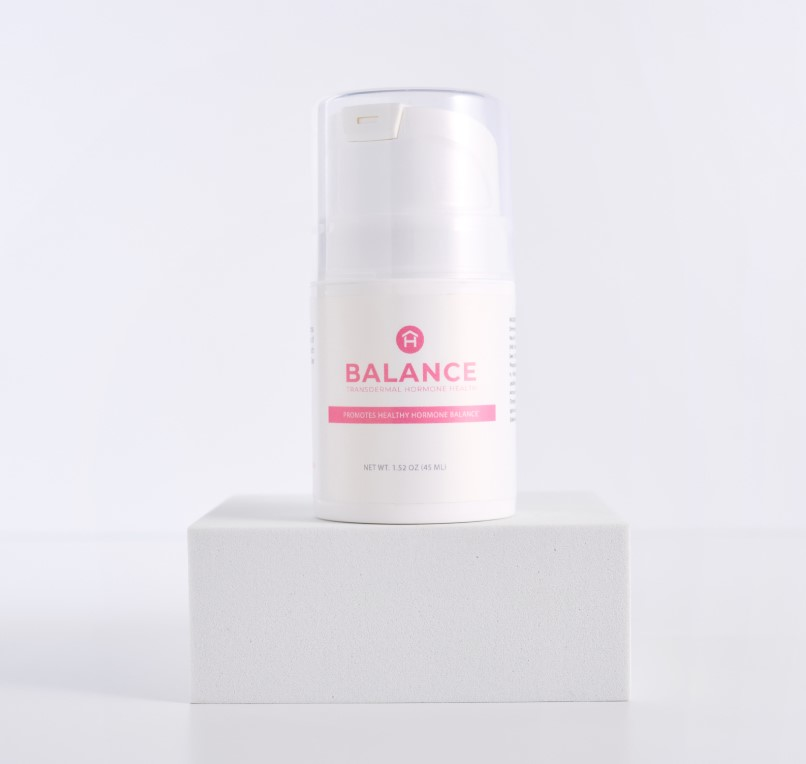
“Is hormone cream safe?” is one of the smartest questions you can ask before you buy anything in this aisle. It is also a question with no single answer, because “hormone cream” covers products that have almost nothing in common: prescription estrogen and progesterone, over-the-counter jars that list hormones on the label, and plant-based wellness topicals like BALANCE (Balance Transdermal Hormone Health). This page walks through the safety questions that matter for each type, the people who should talk to a clinician first, and a simple first-week routine for any new cream.
hormonebalancecream.com is operated by All In Enterprises, LLC, independent HealthyHome distributors. HealthyHome owns and fulfills BALANCE. We do not. We may earn a commission when you shop or join through our links. These statements have not been evaluated by the Food and Drug Administration. This product is not intended to diagnose, treat, cure, or prevent any disease.
“Safe” depends on which hormone cream you mean
- Prescription hormone therapy (estradiol gels, sprays, and creams; prescribed progesterone) is FDA-approved, dosed, and labeled with specific warnings. Its safety is judged person by person by the prescriber, weighing your age, history, and symptoms. The FDA’s menopause page and MedlinePlus on hormone therapy explain the benefits and risks clinicians discuss.
- Over-the-counter jars that list a hormone, such as progesterone, are not reviewed like prescription products, and the amount you actually apply is hard to know. Our over the counter hormone cream and wild yam vs progesterone cream guides explain how to read those labels.
- Botanical wellness topicals like BALANCE are built from plant ingredients for everyday comfort-season support. They are not hormone therapy, and their safety questions are mostly about your skin, your ingredient sensitivities, and what else you use.
If you are already on prescription hormone therapy, the safest move is simple: do not add, swap, or stack another cream without asking the clinician who manages it.
Five safety questions to ask before any hormone cream
- What exactly is in it? Read the full ingredient panel, not just the front label. If a jar lists a hormone, it belongs in a conversation with your clinician. For BALANCE, the ingredients page lists the botanicals, including wild yam, maca, red clover, black cohosh, ashwagandha, and flaxseed oil.
- Do any of those ingredients matter for you? Plant-based does not mean free of cautions. The NIH’s National Center for Complementary and Integrative Health notes that red clover supplements may be unsafe during pregnancy or breastfeeding, and that rare cases of liver problems have been reported in people taking products labeled as black cohosh. Those fact sheets are mostly about oral supplements, but they are good reasons to read the label and ask if you have a related history.
- What else are you taking? NCCIH also advises talking with your provider before using any herbal product if you take medicine, because some herbs and medicines interact. Bring the jar or a photo of the label to your next appointment.
- Who else touches your skin? This one surprises people. With some prescription estrogen products applied to the skin, the FDA-approved labeling warns that the hormone can transfer to children and pets through skin contact; see the DailyMed label for one estradiol spray. Whatever you use, let it absorb, wash your hands, and keep the application area away from little ones and pets until it is dry.
- Does the seller make promises it cannot keep? “Cures,” “reverses,” “natural HRT,” or “same as prescription” are red flags. A trustworthy seller tells you what the product is, what it is not, and when to see a clinician.
Who should talk to a clinician first
Ask before starting any hormone-related cream, botanical or not, if you:
- Are pregnant, trying to conceive, or breastfeeding.
- Have a personal history of breast, uterine, or ovarian cancer, or another hormone-sensitive condition.
- Have a history of blood clots, stroke, liver disease, or unexplained vaginal bleeding.
- Take prescription medication, especially hormone therapy, blood thinners, or thyroid medicine.
- Have very sensitive skin, eczema, or known plant allergies.
None of that means “never.” It means the decision is better made with someone who knows your history. MedlinePlus and The Menopause Society are good places to prepare questions.
A careful first week with any new cream
- Patch test first. The American Academy of Dermatology suggests applying a new product to a small test spot, like the inside of your arm or the bend of your elbow, twice a day for 7 to 10 days before using it more widely. See how to test skin care products.
- Use the label amount, not more. More cream is not a shortcut. It mainly raises the chance of irritation.
- Change one thing at a time. Start a new cream in a month when you are not also starting a new supplement or diet, so you can tell what is doing what.
- Stop if your skin reacts. Redness, itching, rash, or swelling means wash it off and stop.
Our how to apply hormone cream guide covers placement and routine, and how long hormone cream takes to work sets realistic expectations once you are past week one.
Signs to stop and call a clinician
- Any unexpected vaginal bleeding, especially after menopause.
- Skin irritation that does not settle after you stop the cream.
- Severe headaches, chest pain, leg swelling, or sudden changes in vision.
- Dark urine, yellowing skin or eyes, or unusual fatigue.
These are not “wait and see” situations. Call your doctor, or emergency services for anything severe.
Where BALANCE fits
BALANCE is HealthyHome’s plant-based, multi-botanical transdermal cream for everyday comfort-season support. It is not prescription hormone therapy, not “natural HRT,” and not a substitute for care from your clinician. We would rather you ask the questions above and decide BALANCE is not for you than buy it without reading the label. For the bigger picture, see plant-based hormone cream and transdermal hormone cream.
If BALANCE fits your plan, HealthyHome handles payment, shipping, and fulfillment through either door:
Shop BALANCE · Join & Get Member Pricing
FAQ — is hormone cream safe
Is hormone cream safe to use every day?
It depends on the product. Prescription creams should be used exactly as prescribed. For a botanical topical like BALANCE, follow the label, patch test first, and stop if your skin reacts.
Is BALANCE a hormone?
BALANCE is a plant-based, multi-botanical wellness cream. We do not position it as a progesterone or estrogen product, or as hormone therapy.
Can I use BALANCE with hormone therapy or other medicines?
Ask the clinician managing your care before adding any topical. Some herbs can interact with medicines.
Is BALANCE safe during pregnancy or breastfeeding?
Talk to your doctor before using any hormone-related or herbal product while pregnant, trying to conceive, or breastfeeding.
Do I Shop or Join?
Shop for customer pricing. Join for member pricing and the optional sharing path. Both use HealthyHome fulfillment.
hormonebalancecream.com is operated by All In Enterprises, LLC, independent HealthyHome distributors. BALANCE is a HealthyHome product. This content is for wellness education only. It is not medical advice and is not intended to diagnose, treat, cure, or prevent any disease. Always read the label and talk with a licensed clinician about products that may interact with your care plan.