It’s 2 a.m. and you’re awake again — sheets damp, sleepwear clinging, one foot out from under the covers while you wait to cool down. If that scene feels familiar, you’re far from alone. Night sweats are one of the most common — and most disruptive — companions of the menopausal transition, and they can start years before your last period. The good news: while there’s no magic switch, there is a practical playbook for natural relief for night sweats, and it starts with understanding why they happen in the first place.
Why Night Sweats Happen: A Thermostat on High Alert
Night sweats belong to a family of experiences called vasomotor symptoms — essentially hot flashes that arrive while you sleep. At the center of the story is your hypothalamus, the small region of your brain that acts as your body’s thermostat. Normally, it keeps your core temperature within a comfortable range and only calls for sweating when you’re genuinely overheating.
As estrogen levels shift during perimenopause and menopause, that comfortable range appears to narrow. Researchers describe it as the thermostat becoming more sensitive: a tiny rise in core temperature that your body once shrugged off now registers as “too hot,” and your brain runs the full cooling program — blood vessels widen, skin flushes, sweat glands fire. At night, that can mean waking up drenched even in a cool room. According to the U.S. Office on Women’s Health, most women experience hot flashes or night sweats at some point during the transition — so if this is your 2 a.m. reality, it isn’t just you.
Night sweats also rarely travel alone. If you’re noticing shifting cycles, mood swings, or restless sleep alongside them, it may help to see the bigger picture — our guide to the 12 signs of perimenopause walks through what the transition can look like.
Not Every Night Sweat Is Hormonal
Before you build your relief plan, it’s worth ruling out — or at least accounting for — a few non-hormonal triggers that can cause or amplify night sweats:
- Certain medications. Some antidepressants, blood pressure medicines, and other prescriptions list sweating as a side effect. Your pharmacist or doctor can tell you quickly.
- Alcohol. That evening glass of wine can disrupt your body’s temperature regulation and fragment your sleep, often hours after you drink it.
- Spicy food. A late, spicy dinner raises your core temperature right when your body wants it to fall.
- A warm bedroom. Heavy duvets, synthetic sheets, and a thermostat set for daytime comfort all work against you at night.
- Anxiety. Stress activates the same systems that raise heart rate and body temperature — and a racing mind at bedtime can prime a sweaty night.
These triggers can act on their own or stack on top of hormonal changes. A warm room plus wine plus a stressful day can turn a “slightly warm” night into a soaked one.
Natural Relief for Night Sweats: Your Cooler-Nights Playbook
There’s no single fix, and anyone promising one isn’t being straight with you. What works is stacking several small, sensible changes until the nights tilt back in your favor.
1. Cool the Room Before You Need It
Sleep researchers consistently point to a bedroom around 65°F (18°C) as ideal for most sleepers — the Sleep Foundation suggests a range of roughly 60 to 68°F. If that sounds chilly, remember that your core temperature naturally drops as you fall asleep; a cool room helps it get there. Set the thermostat to drop overnight, run a fan, or crack a window. And keep a glass of ice water and a small hand towel on the nightstand, so a 3 a.m. wake-up doesn’t have to become a 3 a.m. expedition.
2. Choose Bedding and Sleepwear That Breathe
Fabric matters more than most of us expect. Natural fibers — cotton, linen, bamboo — breathe and wick moisture, while polyester fleece and heavy synthetic blends trap heat against your skin. Layer your bedding so you can shed a blanket without fully waking, and keep a spare set of sleepwear in the nightstand drawer. A thirty-second change into something dry beats an hour of lying in damp fabric.
3. Build an Evening Routine That Works With Your Body
Your evening choices set the stage hours before your head hits the pillow. Try eating dinner a little earlier and lighter, keeping spicy dishes and alcohol at least three hours away from bedtime, and moving your caffeine cutoff to early afternoon. A lukewarm — not hot — shower before bed can actually help your body release heat. These habits land best as part of a bigger picture; our post on natural approaches to hormone balance digs into how nutrition, movement, and stress care fit together.
4. Track Your Triggers for Two Weeks
You don’t need an app — a notepad works. Each morning, jot down what you ate and drank after 6 p.m., roughly how warm the room felt, your stress level, where you are in your cycle if you’re still cycling, and whether you woke up sweating. Within two weeks, patterns usually surface. Maybe it’s wine nights. Maybe it’s deadline weeks. Real data beats guesswork — and it gives your doctor something concrete to work with if you decide to bring it in.
5. Learn Paced Breathing for the 3 A.M. Wake-Up
The moment you wake up sweating, frustration and anxiety pile on — and that stress response keeps you hot and awake. Paced breathing is a simple counterweight: inhale slowly for a count of five, exhale for a count of five, and continue for five to ten minutes. It slows your heart rate and signals your nervous system to stand down. Practice it during the day so it’s second nature when you need it at night.
Where Plant-Based Transdermal Support Fits In
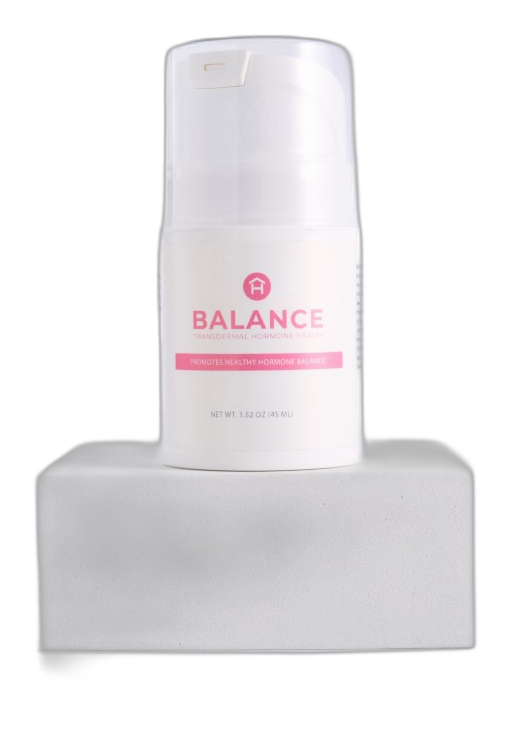
Alongside a cooler room and calmer evenings, many women add plant-based support to their nightly routine. That’s the thinking behind BALANCE by HealthyHome: a transdermal cream, which simply means it’s applied to the skin — typically thin-skinned areas like the inner arms or wrists — so botanical ingredients absorb through the skin rather than passing through the digestive system.
One of its key botanicals is wild yam, a plant traditionally used in women’s wellness for generations. Wild yam contains diosgenin, a compound studied for its role in comfort during hormonal transitions. And because we believe you deserve accuracy, it’s worth being clear-eyed about what wild yam is and isn’t: your body does not convert diosgenin into hormones — that conversion only happens in a laboratory. What wild yam brings is a long tradition of use and genuine research interest, alongside the other botanicals and skin-nourishing oils in the formula. You can see exactly what’s in the jar on our ingredients page, and if you like reading the research for yourself, our white paper walks through the science behind the formulation.
A cream isn’t a switch, and no honest company will tell you otherwise. But as one layer in a comfort-first routine, plant-based transdermal support is designed to help with the discomforts associated with hormonal changes — and it pairs naturally with everything else in this playbook.
When to Talk to Your Doctor
Seeing your doctor isn’t a failure of the natural approach — it’s part of doing it well. Make an appointment if:
- Your night sweats started suddenly or aren’t accompanied by other signs of hormonal transition
- They come with fever, unexplained weight loss, or swollen glands
- They began shortly after you started a new medication
- You’re regularly soaking through sleepwear and sheets
- Lost sleep is affecting your mood, focus, work, or relationships
A good clinician can rule out other causes, review your medications, and talk through the full range of options for your situation. Bring your trigger journal — two weeks of real notes will make that conversation far more productive.
Cooler Nights Are Built, Not Wished For
Night sweats can make you feel like your own body is working against you at the exact hour you most need rest. It isn’t — it’s a sensitive thermostat doing its job a little too enthusiastically while your hormones shift. Cool the room, choose fabrics that breathe, quiet your evenings, track what sets you off, breathe through the wake-ups, and consider plant-based support as one more layer. Small changes, stacked consistently, are how cooler nights get built.
This article is for informational purposes only and is not medical advice. Please talk with your healthcare provider about your individual situation, especially if you are pregnant, nursing, or taking medication.